Sunday, August 29, 2010

SWF Rewind- Wintu Tribal Elections Fraud


The Wintu Tribe of Northern California has operated a non-profit organization since 1993 after thier incorporation as a tribal 501.3 (c) status entity seven years after the closure of Toyon Wintu Center in 1987. The current Wintu Tribe is represnted in its incorporated capacity by the tribally elected governing body, known as the Wintu Tribal Council. Consisting of 12 elected Wintu Members, they are elected on staggered terms.

Annual elections for the Wintu Tribe/ Toyon Wintu Tribe historically have been public knowlege and thier candidates and results reguarly published in Redding area publications like the Record Searchlight, currently an E.W. Scripps Co. owned conseravtive based news source that continues to shun the focus of media attention on the Wintu Tribe or its varied issues, in favor of the more economically contributive Redding Rancheria (RR). The RR also based in Redding and established Win- River Casino a lucritive native american gaming faciltiy in operation since 1990. The gaming revenue generated by Win- River Casino, however, does not benfit the larger Wintu Tribe, in which, ancestral territory the quasi alien Win-River Casino lies. The RR contibutes hundreds of thousands of dollars to the State of California every year, tens of thousands of dollars to the Newspaper annualy, partially, it is alleged. to supress the plight of the Wintu People. The cumulative generated contributory asset revenue capacity to the state and other agencies generated by Win-River (and the RR)since its opening is estimated to be in excess of $180,000,000 (180 million) US dollars (Root- Wintu Demograph- 1998), while the Wintu Tribe remains landless and without federal aknowlegement.

It has come to the attention of Stop Wintu Fraud Editors that a small group of Wintu Members were disenrolled from the Toyon Wintu Tribe/ Wintu Tribe of Northern California's tribally prepared "base roll", that has not yet been approved by the secreatry of the interior (BIA). Carol Sinclair, Wintu Elder and Cultural Resourse Director for the tribe for the last two decades, was disenrolled as a result of the actions of the tribal council and its enrollment committee shortly after the 2003 Wintu Tribal Elections along with 10 other individuals. These 11 Wintu have become known as the Wintu 11. Ms. Sinclair has gone on record as stating it was following provocation, her and another unidentified Wintu Tribal member concurrently serving on the Wintu Tribe Enrollment Committee began to bring questions to the Tribal Council as to enrollment proceedures, and tribal election proceedures, and brought fourth allegations of vote tampering by the 2002 Tribal Council member Linda Malone, and Carol Martin. Vote tampering allegations that include Ms. Sinclair, "... watching Linda throw ballots out (of the ballot box) and onto the floor, and in the trash...". Taking place in June 2002 at the old Wintu Tribal office at the end of the Downtown Mall on Placer St. in Redding. This is alleged to have occoured in front of Womens Leagure of Voters Officials present to provide oversite to the Tribal Election by an unbiased outside body. But whether or not the League recognises the Results or these Election Officials, or the Officials identities has yet to be verified by Stop Wintu Fraud. Other Tribal members that voted in person in 2003 reported seeing the, "... grey haired non-indian ladies in a seprerate room form the voting chambers...", that were, "...tallying ballots with Carol Martin and Linda Malone present."

In an attempt to assure the intergrity of the vote Sinclair and another un-named Tribal Member tried and failed to gain larger tribal support for recount and later recall of the tribal council in 2004. Actions of which are legal proceedures outlined in the Wintu Constitution. These Individuals were bothat the time of the incident serving on the Wintu Election Committee and serving as Election Officers at the proceedings, and were told ot leave while the "illegal" election proceed. The election results saw the Encumbants all being re-elected, some for the 5 and 6th terms consecutively, reigns of tribal leadership that lasted for over 15 years in some cases. Gary Rickard, a progressive, was elected chairman as a result of this vote while some traditionalists, like Loretta Root, lost by small margins.

The tribal council at that time (1998-2006) has come to be known as the Curl-Malone Board which was responsible for several attemts at violations of the tribal members rights inclding political convolution with the WWO (winnemem wintu organization), seeking to reduce the tribal roll (dis-enroll) by more than 350 people, and passing a illeaglly written document as the 2003 interim Wintu Constitution, an attmept by the former CILS attourney, Mary Risling, to draft controls into the Wintu Constitution. Controls that would have enabled the Curl-Malone Board to violate various former tribal member rights that are guarenteed by former Toyon Constitution. The governing document by which the tribe had been operating, albeit sporadically, since the closure of the facilities at Toyon by the BIA in 1987. The rule-change violations alleged in the secific rights vioaltions include the language "...right to deprive of life propertry or liberty without prior notice...", and the heavily suspect language that attempted to hand the WWO power to control all of the tribes archaeological and spiritual resourses. The language was removed by a majority vote of tribal members in 2003, denoucing the Curl-Malone Board and its memebers ability and future goal, in capacity to regain the sole rights to the use of the lands at Toyon Wintu Center.

The Wintu 11 are a small numer of California Indians in comparison to the other 2000+ tribal disenrollments statewide California's Gaming Tribes have seen in the last several years, but the lack of civil rights enforcement quite equal. 57 members of the Foreman Family were also disenrolled from the Redding Rancheria, a scandal which recieved national media attention, the Wintu 11 and the the Disenrollments of 2003 by the Wintu Tribe's enrollment committee members in contrast has seen no media attention to this day.

Allegations of illegal tribal elections, tribal voter fraud, illegal use of the identity of the Womens League of Voters by the Wintu Enrollment Committee, Wintu Constitution and Wintu Election Ordanance violations, vioaltions of the Brown Act, Violations of Civil Rights, Illegal Seizure of Tribal Assetts without CFR Probate, are just some of the Allegations that are coming to light as a result of inquests by Stop Wintu Fraud contributors.

Stop Wintu Fraud is seeking Contributors on Wintu Rights Violations, you can email stopwintufraud@gmail.com for information on how to contribute to the exsposure of Wintu Fraud.

Tuesday, August 10, 2010

Wintu Elder Carol Sinclair Passes

Carol Sinclair- Born December 29. 1943, passed away July 26, 2010.
Carol is survived by her son John Neely and his wife Laura; daughter Lisa Chapman; grandchildren Jeff Henderling, Sean Neely, Dylan Neely, and Cody Chapman II; great granddau...ghter Vivienne Neely; many aunts, cousins, nieces, nephews, and friends; and her horses Mytar and Fury; dogs Beowolf and Little Bear; and cats Ivan and Rascal.
Carol grew up in Redding and was always very active. As a youth, she enjoyed pitching women's fast pitch softball, working on her cars, spelunking, and caring for her many animals.
After marriage, Carol and her family moved to Eureka. While in Eureka working and raising her children, Carol began a lifelong relationship with and love for horses. When Carol returned to Redding, her horses came as well.
Carol was an active member of the horse community and was called on frequently for her expertise. Carol was also an avid supporter, educator, and advocate for her Wintu heritage.
Though she is no longer with us in the flesh, she will continue to guide and support us in spirit. She will truly be missed.
A graveside service will be held on August 7th at 10 a.m. at the Black Canyon Cemetery located at 4500 Boca St., Shasta Lake City (Central Valley) followed by a Celebration of Life and potluck at the Win River Rancheria.
Much gratitude to Hospice for helping mom and us through this most difficult time.

Sunday, August 1, 2010

SWF Rewind- The Wintu Factions Have to Unite in Order to Recieve Federal Acknowledgment?


(photo changed- new photo- Sampson & Cat, Nom-Ti-Pom Wintu, photo taken at La Moine)


Think about what our families miss out on by continuing to not Unify Twards Recognition. What could we potentially loose if the Wintu leaders fail to unify us?

So here some of us still are. 2008. A long time since the BIA instated the Office of Federal Acknowledgement (OFA) thru federal CFR regulations to review BAR petitions from Tribes claiming to be modern conglomerations of Wintu surviving 1800's genocide and removal to reservations. In 1984, when our petitions were initially announced to Interior, the various Wintu leaders, that that time, Ray Patton for the Central Valley Wintun, Gloria Gomez for the Wintu of Shasta, Ed Grant for the Wintun of Cottonwood and also Ray Patton for the Nor Rel Muk Nation. We thank these honorable Wintu people for their fore site.
This week the BIA/ Asst. Secretary of the Interior published in the Federal Register an unprecedented OFA Notice attempting to supply "Guidance and Direction Regarding Internal Procedures" for OFA personnel review tribal applications. In the Notice, dated May 23, 2008, the Asst. Secretary of the Interior Carl Artman, referenced several issues that are sure to have wide ranging impacts on the several groups seeking acknowledgement currently thru BAR representing the Northern Wintu Tribe. New direction from the Asst. Sect'y Artman that includes what Interior has now termed as, "managing recurring administrative and technical problems in processing petitions for Federal acknowledgment.

In the recent past Interior has come under scrutiny from national tribal leaders and tribal rights watch groups, and the national media, arising concern for tribes, that the current nature of the BAR review process has become overbearing on tribes seeking acknowledgement thru Interior. And that specifically the Interior has violated Trust Responsibilities to hundreds of thousands of American Indians, that are currently members of Non-federally recognised tribes, who's members could be currently be benefiting from federal assets to benefit their welfare, like health, education, and housing, but have been left with-out Trust services in denial and termination of thei Trust responsibility of the Federal Government towards the tribal members. Some tribes like our own Wintu, have been waiting for longer than two decades.


In that time our members have seen our reservation at Toyon closed and our members forcefully removed (1987), another tribe re-acknowledged (Redding Rancheria 1983) in our traditional territory, including members of tribes not from the Shasta Trinity County area, then a casino was built in the Wintu name with millions in revenue sharing to the state of California with no benefit to the Wintu members to this day (Win-River Casino 1990-present), and more recently as a result of inter-tribal disputes the "splintering" of tribal families into separate factions claiming control of the Wintu people as a whole. Yes, unfortunately for the members caught in the middle of tribal leadership disputes where very few get anything of grant monies and everyone else in the tribe is left to guess whats going on... tribal governments without representation for tribal members, or equal rights against tribal governments gone mad, and no legal recourse even as Not for profit organizations as County and State courts have repeatedly referenced Santa Clara v. Martinez where tribal sovereignty trumps the governments rights to interfere in inter-tribal disputes, this all despite California being a PL 280 where the Wintu Tribe resides, delegating authority to the state attorney general, and also despite the State of California declaring authority to excercise Illegal Taxation of California tribal lands thru the Gaming Revenue Agreements forced upon California Tribes by the California Governors Office.
Contradictory leadership from the non-Indians to say the least. More accurately these recent events have proven to be for the Wintu, Double-handed legislation eminent of the Old 1851 Ash Creek Treaty days, where we as Indians have no re-course, no representation.
To the knowledge of Stop Wintu Fraud Editors it is the first time that Interior has officially used the term "splinter" to define in the Federal Register the fracturing of tribal memberships, for various reasons unique to each occasion. A good example of why federal statues rarely fit into real day Tribal issues like the "splintering of the Wintu", the new CFR Notice Recommendations and Direction does nothing to actually assist the tribe in resolution of any type to inter-tribal/ band disputes. Disputes that would be better clarified with the direct assistance and approval of the Interior and Regional Directors working in concert for the tribe to speed conflict resolution and complete applications, and move on to review to reduce back-log of the List of Tribes waiting for recognition which is now over 310 tribes waiting for review decisions.
It has been calculated by this Stop Wintu Fraud editor that of the 310+ tribes waiting for review thru OFA/ BAR, 32% of the tribes listed today in the Register are in some way Duplicate tribes that potentially would benefit by complying with interior's wishes , that in the name of speeding the process, tribes are to both resolve inter-tribal disputes and stop fracturing of tribal groups from single former petitioning groups into rival petitioners that would potentially, to interior create (and are creating) at least some of the back log.
Is the back long caused by tribes? No. Are tribes being forced to suffer "negative determinations" as a result of awry tribal leaders gone astray that no longer think in the tribal general memberships best interests. Here in the Notice today, Interior has gone beyond past mis-statements towards us as trustees, that the splintering of tribal groups should result in the tribe not receiving assistance in the BAR process, nor receive acknowledgement as a result of the splintering Interior has defined today as,


In the more than 29 years that the Department's acknowledgment regulations have
been in effect, the Department has confronted a number of recurring issues in
the administration of the regulations including: the emergence of splinter
groups;... opportunities for streamlining the process
through expedited decisions against acknowledgment and decisions against
acknowledgment on fewer than all seven criteria; the handling of questionable
submissions; and designation of ``inactive'' status.


The idea that Interior is now, in 2008, 26 years into the OFA process, attempting to penalize tribes for excericising the Federal Right to be Self-Determinative of our futures and our right to Self-Governance as American Indians to dissolve and formulate tribal identity as tribal members see fit here has been diminished in interiors attempts to, "opportunities for streamlining the process through expedited decisions against acknowledgment and decisions against acknowledgment." Really whats being said to tribes is if your tribes splits up, we'll use that against you now. Also in the Notice Interior states for its OFA personnel that past "Conflicts within a petitioning group that result in multiple and conflicting claims to leadership hamper the ability of OFA to communicate and conduct its business with the group when OFA cannot identify a single governing body as the point of contact with the group." Here BIA is stating, "hey, if you make it harder on us (your trustor) by splintering into contradictory factions we will use it against you (the potential trustee). In a possible violation of trust relations, and certainly in an attempt to limit the size of tribes acknowledged in the future, and there bye limiting the trust responsibility of the federal government to assets held in the name of our people, without representation as to the resources use historically, therefore is interpreted here to be potentially a undue and illegal termination of trust responsibilities to hundreds of thousands of non-federalised Americans Indians, not just the Wintu.


A note for our pseudo-leaders, Wade, Gene, and Linda. Dis-enrolling people from the tribe was, and never will be the answer to what you cannot accomplish alone. You your self's actually amount to a splinter group when you applied as the Toyon by OUR 1993 deadline. And again when you Malone's wanted remove all the Central Valley people back in 2003. Why was that again, oh yeah, because you don't "like" Gloria Gomez. A real Wintu leader would can the bullshit set your personal differences aside and work for the good of all the Wintu, not just your pitiful family. Perhaps you begin to see that everyone around you when they become involved are forced to see your strangle-hold on the tribal government thru illegal elections every year. You can't have both tribes (Toyon and the Wintu Tribe), tribal members see for themselves the tribal council stop the Wintu meeting and then have the Not for profit meeting separate. Ask questions Wintu members, find out for yourselves why the general members aren't on the not for profit list but they have a separate general council listing for members? And the way they have it currently structured by the careful help of Non-Wintu CILS attorney Mary Risling, and this was only the Curl and Malone descendants will benefit from any monetary revenue from the tribe in the future? Read your Constitution. 33% to constitute a majority? Well from the 91 members base roll that's almost exactly the percentage of the 17 member extended family Curl-Malone Voting Block.


If theirs nothing wrong with the way the tribe is currently being run then why did Caleen Sisk leave the Curl-Malone Board to formulate the Traditional Winnmem? Why did Jill leave the Curl- Malone group? Why did Loretta Root leave the Curl Malone Ground? Why did 350 other Wintu leave to join United Bands after you illegally adopted your likewise illegally drafted Curl-Malone Wintu of Northern California Interim Constitution in 2003 by a vote, to small, to exact it. Ask the Nor-el-muk, the wintu from Trinity County, if they'll have anything to do with the Curl-Malone Board? Why did Gloria Gomez stick with the Central Valley Wintu after your family, in the name of your fraudulent tribe, drag her into court back in 1997-1998? It wasn't because you actually picketed in front of her private residence that year.... ya' think? And why would a single member who regained salmon harvesting rights on his own and fished for 6 years using traditional methods without assistance from the tribe, then be threatened with dis-enrollment after being nominated for Wintu Tribal Council?


Internal conflicts aside, the Wintu- interband disputes of our tribe have been addressed by attorneys representing us (as early as 2001), and now have been addressed by the Department of the Interior, and their position on "splintering" of petitioning groups is clear, if any ambiguity existed before surrounding duplicate petitions doomed for negative determinations, duplicate petitioners will not receive assistance or acknowledgement.


To absolve the Wintu bands is easy, the only obstacle to our rapid progression and eventual recognition is just a lot of power tripping old people that have entertained a false sense of control over the tribal membership for so long that it seem the leaders won't even won't take their finger off the button, and resolve petty differences for the good of the people.


The link to the notice from the Assistant Secretary of the Interior on Current Splinter groups:


Federal Register 5/23/08

Sunday, January 24, 2010

Redding Rancheria Tribe Buys More Land, Wintu Tribe Still Homeless


Redding Rancheria Tribe Buys More Land, Wintu Tribe Still Homeless

By Matt Root- Wintu & Karuk, Redding, Ca 1/24/10

Background- The Redding Rancheria (hereafter RR) exists on 38.89 acres in South Redding, next the Anderson Cottonwood Irrigation Canal (ACID Canal). Established by the Federal Government in 1922, the Redding Rancheria, today has only 127 adult members(following the 2004 Tribal disenrollments of 57 members of the Foreman Family (Pit River), former members of the RR). The RR Tribe Operates Win-River Casino, a Native American Gaming Operation, established in violation of NRGA statutes, out side of the Pit River tribes traditional territory. The Tribe by which a majority of RR members trace their blood lineage.

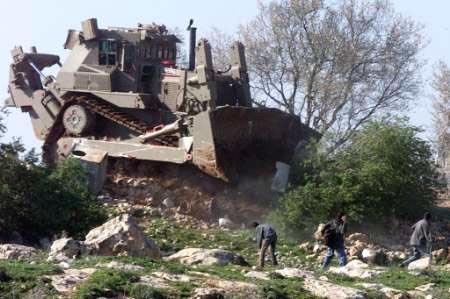
The Wintu Tribe, following the violent cultural standoff at Toyon Wintu Center, (Formerly know as Government Camp), in 1987, that pitted local homeless Wintu Indians against State Marshall's, the FBI, the Department of the Interior, the BIA and Local Officials and Police/ Sheriffs, Wintu People were removed from their homes, and federal reservation, after a long armed stand-off, remain homeless today, and politically fractured since this unfortunate racially motivated event perpetuated upon the Wintu Members, 23 years ago. Author age 8 years old when Toyon was closed and our homes bulldozed to the ground a week later by D-9 Cats emblazoned with BIA crests.

2 Years later, in 1989, the City of Redding and the State of California, cut a gaming deal with the Redding Rancheria, to establish a gaming operation on their 38 acre Clear Creek Reservation (today's Redding Rancheria). And a minority of out of town Indians rose to power, and the actual Wintu people continue to linger with no federal aid, and no realized promises of "Self-Governance", guaranteed in the 1970's by the Nixon Administration, and still no "Self-Reliance", guaranteed us by state law in 1990.

But the Redding Rancheria continues to grow. In reprehencable defiance of the true Wintu people of this land. Certainly in indifference, and denial of our existence and legal claim to this land. The Wintu Leaders having been the signer's of the 1851 Treaty at Cottonwood Creek, NOT the Pit River, who were party in a separate Treaty a year later in 1852. (see XL Reservation)

So it took former Police Chief Blankenship and the McConnell Foundation (regionalnot for profit grantor supreme, and beneficiary of Redding Rancheria "contributions") to seal the deal on the flat land below the new Redding Rancheria Hilton Hotel next to Interstate 5 at South Bonnyview Road in Redding, Ca. Despite the RR having destroyed Wintu sites in their development, and there being a MOU in place with the City of Redding to protect our history from destruction by development. In denial of the Wintu Tribes existence or legal claim to this land, our Traditional Territory. And in spite of the federal governments ability to recognise us in a timely manner. And after waiting thirty (30) years for a descsision on our petititons for recognition, we continue to linger, many members in squalid conditions throughout the tribes Territory. While the minority of Indians profit, lavishly.

The RR Hilton Hotel which was built in 2004-5, destroyed a massive Wintu archaeological site, a former historical habitation location for the Wintu Tribe. This sites historical locus, included a stratigraphic component revealing where Wintu People were allowed to live, in common, with ranchers of the area around 1870-1890. A rare occurrence in 19th century Shasta County. The site that was destroyed to make way for the Rancheria Tribes Hotel expansion, and the loss is of vast historical significance to the Wintu tribe, and its members today. Several Wintu families trace their lineage to the pre-historic archaeological site, that Anthropologists estimate have hosted some 3-600 permanent Wintu occupants in over 80 aboriginal homes.

The modern political entity of the Wintu Tribe, the actual tribe, in which the federated RR continues to expand and build with-in, today is fractured between 5 differing Non-Federally Recognised Tribes. A legal status that both hinders the fractured groups ability to protect the site. But also hinders the non-recognised tribes ability to represent the interests of the Wintu archaeological site, and the remains of close relatives interred there, to the state of California. Potentially protecting it from the ruthless economic development of the Redding Rancheria. RR having destroyed Wintu sites repeatedly in their quest for economic expansion. And at the high cost of Wintu history, and in disregard for the hundreds of Wintu that live here today, and in mis-use of our identity as Wintu Indians. The RR also claims Wintu Lineage of official BIA documents, the Pit River members being a majority at RR, and the majority members being Pit River Indians by Blood Quantum.

Friday, January 8, 2010

Donald V. Slaughter Sr.

Donald V. Slaughter Sr. May 8, 1924 - December 27 2009
Life long Shasta County resident, Donald V. Slaughter Sr. passed away peacefully at his home in Anderson on Sunday, December 27, 2009. He was 85 years old. He was born to George T. and Myrtle A. (Fann) Slaughter near Churn Creek in Shasta County on May 8, 1924. He attended school in Anderson and graduated from Anderson High School where he was a distinguished swimmer and baseball player.
Don enlisted in the U.S. Coast Guard during World War II and served his country honorably, along with his older brothers Rudolph and Reginald.
Don was one of the first Eagle Scouts in Shasta County and became an assistant Scout Master as well,
After the service he worked as a laborer, sheet metal worker. He eventually worked for PG&E, Ralph L. Smith Lumber Company, Kimberly-Clark Corp., and Roseburg Lumber. He retired after 38 years in the lumber business. He worked with local V.A. offices ordering and setting grave markers for veterans who did not have them. For others, he designed, constructed and placed cement markers in many cemeteries.
Donald is survived by Frances (Hardin), his wife of 62 years, his daughter Christina V. Yoder (Jay) of Elk Grove, CA, his son Donald V. Slaughter, Jr. of Redding, CA, his beloved grandchildren; Scott, Nicole, Rachael, Daniel and Donald III, and two great grandchildren. He is also survived by his three sisters; Christina A. Slape of Napa, CA, Adeline Jane Bowers of White City, OR and Patricia Buck of Redding, CA.
Viewing will be today Thursday, December 31, 9-5 p.m. Service will be held on Monday, January 4, 2010 at 11:00 a.m. both at Allen & Dahl in Palo Cedro. Internment will be at Northern California Veterans Cemetery in Igo, at 2:00 p.m.

A reception will be held at the Win River Casino Community Room from 3:00 to 5:00 p.m.

Wednesday, December 16, 2009

Disgruntled Academia- WWO Leaves Trail of Pissed of Scientists in their Wake

Hello,

I recently read your blogspot about the fraud of Caleen Sisk Franco and the WWO. As a history graduate student a few years ago, I believe I fell victim to this fraud when working on my thesis project. The thesis was on the experience of the Wintu with the construction of Shasta Dam. I eventually had a shortened version of my thesis published in an Ethnic Studies journal following review by an editorial staff that including several Native American professors from Sacramento State University.

I cannot claim Indian heritage, however the injustices that the Wintu suffered in the face of the Central Valley Project were appalling to me. Mark and Caleen Sisk Franco, although they agreed to be interviewed initially, never took interest in my project after the paper was finalized and published. This seemed odd when I felt I had uncovered some significant historical information that might be pertinent to their legal case.

I write in part because I wish that my paper/research comes to some benefial use for legitimate Wintu tribal members. I'd appreciate if you could contact me by Email so I might learn more about who you are and perhaps send you a copy of the paper.

Sincerely,
[snip]
Cultural Historian

SWF Rewind- Wintu Band Unity- If The Pit River Can Do It, We Can Do It

(map) Pit River Bands and Ancestral Territory


As seen in other tribal petitions where the tribal membership is either duplicate or representative of the same prehistoric tribal group recognition has been denied repeatedly thru the BAR process of recognition at BIA. As recently at November 2007 the Juaneno tribe had a negative determination handed down on their petition because several years previous to the final review as a result of tribal matters the tribe split, much like the Wintu Bands Today, into sepreate organizations claiming "control" of the membership rolls, and future administration of the tribal government. Around 1997 the Juaneno, a tribe from southern california that also have been on the list waiting for a descision on their application for recognition thru Interior's BAR process for over 20 years, split into two groups that became knows as Juaneno 1 and Juaneno 2. The Interior dep't declared a "NO" descision after the membership rolls were found to be duplicate, and the membership criteria innacurate and differing from interior historical documents, and the tribal governments not following proceedures outlined in tribal governance documents. All Wintu elders know that the band members are scattered throughout the modern tribal poltical entities that all claim the same thing, governance of the Wintu People.

In 1984 the Pit River Tribe (constitution) was recognised under the Reagan (R, CA)administration, and at that time were able to consoldate inter-bands interests for the good of the members to gain federal recognition, I'm not saying everything is smooth up in Burney, or Bieber, or Alturas, but they did it, now they have housing, they have a gaming facility, while we have spent the last 30 years watching with Toyon closed, no federal funding, no community and no guarentee for education for our children or jobs for our members, and without a land base members are found in substandard housing without any response whatsoever from the BIA.

Lets get together for the Elections 2008 and vote in members to the tribal council that will take steps tward, what the CILS attourneys have told us five years ago was the only was to a BAR final detirmination, to resolve the intertribal disputes between the seperate bands of Wintu, and move foreward for recognition for the entire tribe! Cuz if the Pit River can do it, So Can We!


* article written for SWF by Matt Root (Wintun) in February 2008.

Sunday, December 13, 2009

Mary Jane Stevenson June 2 1920- December 3, 2009

Mary Jane Stevenson

June 2, 1920 - December 3, 2009

Mary Stevenson is survived by one sister Frances "Babe" Slaughter of Anderson, CA., niece Mary Hamilton of Eagle Point, OR, nephew Everett Easley of Milwaukie, OR and several other nieces and nephews.

Mary was born at Silverthorne Ferry near Copper City. She was a domestic housekeeper for 25 years. She belonged to the Historical Society of Redding, was a member of the Norel-Muk Band of Wintu Tribe, California Native.

Viewing will be Sunday, December 13th from 1-5 p.m.

Services will be Monday, December 14th at 10:15 a.m.
Both are at McDonald's Chapel in Redding.
Reception immediately following will be at Win-River Community Center from 1-5 p.m.

Friday, November 27, 2009

Indy Bay.org Linked to Fraudulent Winnemem Group


In May of 2009, Caleen Sisk lead her Dance Troupe of Wintun, Maidu and Pit River Tribal Members to the State Capitol to "War Dance" her way to a failed attempt at state recognition, and her attempt to circumvent the OFA process by which all 4 other Wintu Tribes have been waiting almost 30 years, since 1983, to pass thru.

Again, on November 20th, the non-Indian Mark Franco again wrongly used the traditional Wintu Title of "Wintu Headman", against traditional Wintu Law and practices. This time, the story was again written by none other than pen man, Dan Bacher, of Indy Bay.org, and online news source from Northern California's Bay Area, online Indy Bay News, a news source that has attached itself to critical water allocation, and tradional native resources thru fraudulent culture clubs, claiming to represent modern Indian Tribes. The Winnemem Wintu Org. that Sisk-Franco manage is NOT one of 309 tribes listed by the Department of the Interior's Office of Federal Acknowlegement. Nor has the WWO ever solicited to the BIA for federal recognition, instead they have repeatedly tried (unsucessfully) to represent the rights of McCloud River Wintu members that have never been associated with the fraudulent WWO organization.


"Caleen Sisk-Franco, the spiritual leader of the Winnemem Wintu Tribe, strongly criticized the Governor’s plan to build a peripheral canal when she opened the second day of the summit... Why are they allowed to buy some sort of right to water in Shasta Lake?” she asked... Mark Franco, Sisk-Franco’s husband and the headman of the Winnemem Wintu Tribe, pointed out the sacredness of water in tribal culture."


This man, (Franco) should not be claiming to represent the opinions, culture or history of a tribe he is not a member of and has no historical connection to, and in effect his sources have alerady been proven to manipulate Wintu Culture for personal gain. Nor has Sisk-Franco made any effort for this "Culture Club" to be inclusive to all members, nor are democratic processes held within the groups leadership structure, leading many to question the efficacy in Caleen Sisk-Franco sucession, into the heir-apperent roll of a defacto-Wintu Shaman, after the death of Flora Curl-Jones in 2004. Sisk-Franco have occupied Curl-Jones's land since her death, and wrongly claim it to be a "indian reservation" (federally held trust lands) to local representatives, and state legislators and resource managers, that know litterally nothing about Wintu History. Caleen continues to appear to be the "spiritual leader" and Non's take at her word. SWF accuses that Sisk-Franco manipulate true Wintu culture and hisory, distorting it not only to non-indians who don't know our past, but handing a piece-meal form of our culture to th next generation is another violation of Traditional Wintu Law.

A warning to press outlets. Be aware of what you report. You will be held accountable when the tribe becomes recognised by the federal government and the many, many fraudulent groups claiming to assist Natives in Shasta County will become exsposed to the public. Detractions will be being called for. If your going to report on Native Issues you better do the leg work! Ms. Sisk is not helping the larger issues of water rights, or even salmon harvesting for Wintu Indians, in fact she is going far into the arena where she actually opposes other Wintu Indian people and the other 4 Wintu Tribes that claim to represent all the Wintu people. If any non-indian reporter would just look deeper into this issue it would be clear that intergenerational fueding is being allowed to over shadow the fact that over 1100 wintu indians continue to go with out services from BIA while non-recognised, every leadership panel among the Wintu Groups (Toyon, Wintu or nor cal, United Bands, and WWO, as well as the Nor Rel Muk), all want to administer the funds and be in control when recognisition is handed down. Why then if "leaders" like ms sisk claim to lead us already why is she doing to so poorly? Would you want a dishonest individual controlling your housing or federal health care?

Then don't ask me why this website exists. Wintu members must not stand by and allow the feeble and weakest among us to rise to power without demandiing equality for the membership and oversite from the federal government. It is the only way we will end up recognised and with HONEST LEADERS that will do their best for all of us and not just select family groups, which is nepitism, and is illegal.

Happy Holidays Caleen!

Thursday, November 26, 2009

Hoopa Chairman Fires Back, Klamath Salmon are "...reserved for the Indians of the reservations a federally protected right to the fishery resource..."


The Hoopa Valley Tribe Spends Millions Every year to Restore the Tribal Salmon Fishery along 12 miles on the Lower Trinity River, from 19th Century Mining and Over Harvesting by Non-Indians


Masten, Mais: Tribes are true stewards of the salmon

Redding. Com Editorial

The Hoopa and Yurok tribes have fished sustainably on the Klamath and Trinity rivers for thousands of years.

Our great-grandparents remember when nearly a million salmon returned to the basin every year to spawn. They watched nearly all of the basin's timber fall, causing mountainsides to slide into the rivers and creeks, burying salmon habitat. They witnessed gold miners disfigure mountains and pour immeasurable masses of silt and mercury in the waterways. They saw dams go up, blocking and degrading hundreds of miles of fish habitat. They watched canneries take almost every harvestable salmon from the river in the early 1900s.

Because of the tribes' reaffirmed right to fish, they are now co-managers of contemporary, world-class fisheries restoration programs designed to return the basin to the prime salmon and steelhead river system it is meant to be. Our efforts greatly benefit tribal and non-tribal fishing communities, as well as the recreational boating and guide services on the Klamath and Trinity rivers. Because of the tribes' hard work, the Klamath and Trinity rivers have a fighting chance to one day see restored fisheries. In addition to restoration work, the Yurok and Hoopa tribes' salmon fisheries are monitored by each tribe's respective fisheries departments. Our expertise is applied not only to monitoring of harvest but extended basin-wide to habitat, hatchery and natural spawner assessments as well.

Unfortunately, there are many misconceptions about tribal fishing. The most common false belief is that we catch all the fish. That is simply not true.

Many ill-informed ideas are apparent in the Nov. 8 edition of the Record Searchlight's article about tribal gill-netting. The most notable example came from blogger Mike Aughney, who misused fisheries data to bolster his untrue contention that "because of gill nets, we are seeing almost no return." He later retracted his misstatement on his blog because a Department of Fish and Game official explained that the data Aughney cited was only a small portion of what is used to make the overall fish count.

In reality, more fish are making it to their spawning grounds and the hatchery than in years past. Up-to-date salmon spawning redds are at their highest counts since 2003. More than 2,500 redds have already been counted in the upper Trinity, according to a U.S. Fish and Wildlife announcement issued Nov. 9.

The Hoopa and Yurok are federally recognized tribes with federally protected fishing rights. We manage our fisheries and enforce our own laws aimed to ensure fish for generations to come. The Hoopa Valley Reservation stretches the lower 12 miles of the Trinity River. The Trinity is the Klamath's largest tributary and produces many of the Klamath's salmon stocks. The Yurok Reservation is located on the first 44 miles of the Klamath River, where all anadromous fish must pass through as they go out and return from the ocean.

The right of both tribes to fish and regulate their own fishing activities was preserved when the original reservations were set aside by in the mid to late 1800s. That right was later reaffirmed by Congress in the Hoopa/Yurok Settlement Act of 1988and again in 1993 when the solicitor for the Department of the Interior stated in his opinion regarding the fishing rights of the Hoopa Valley and Yurok tribes: "It reserved for the Indians of the reservations a federally protected right to the fishery resource sufficient to support a moderate standard of living or 50 percent of the harvestable surplus of Klamath-Trinity basin fish."

The decline in salmon populations directly coincides with the occupation and subsequent mismanagement of natural resources by the federal government. This is not a new sentiment. The federal government has begun to recognize its mismanagement, and efforts are under way to remove four dams on the upper Klamath River and bring needed resources to bear upon Congress' mandate for restoring the Trinity River and its fishery.

Today, Klamath salmon provide a livelihood for many Hoopa and Yurok tribal members, and our tribal governments make it a priority to meet the needs of our membership. We have always and will always work and make sacrifices to ensure salmon and our people remain part of the Klamath Basin.

Leonard Masten Jr. is the Hoopa Valley Tribe chairman. Matt Mais is the Yurok Tribe's public relations manager.

Saturday, November 14, 2009

Are Sport Fishermen Unfairly Targeting Tribal Culture For the Demise of Klamath Salmon?

Are Hoopa Gill Nets Decimating the Salmon in the Trinity River? from redding.com

Leonard "Spam" Ferris has stretched a gill nets into the water of the Trinity river near his home for about 50 years. After starting as his grandpas helper when he was 7 years old, Ferris now 57, says he catches as many as 700 salmon in a year with his gill nets. So far this year he's caught 400 and expects to keep filling his smoke house. "Its a late run so their still coming", he said.

While Ferris who is a member of the Hoopa Tribe, say he hasn't seen more gill nets this year along the river through the reservation than a typical year, up-stream salmon fishing guides charge that tribal gill nets are decimating the fish's fall run. "We just aren't seeing the fish we should be seeing" says Weaverville fishing guide Ron Hubber, 43.

While the two tribes on the lower stretches of the river the Yurok and Hoopa Valley Tribes report they've hauled in over 28,000 fish, close to this years allotment, Huber and other salmon fishermen are saying that very few fish make it past the tribal waters and into areas where they can catch them. The angry anglers are airing their concerns on the internet

Mike Augheny,48, of Petaluma who started usafishing.com in 1995, has launched a campaign against gill netting on the Trinity, warning tribal nets, particularly those on the Hoopa Reservation are wiping out the Trinity run. "Because of the tribal gillnetting we are seeing almost no return", Augheny who says he's fished the north state for 40 years.

Allie Hostler the Hoopa Valley Tribal Spokeswoman said her tribe aims to protect the fish on the Trinity and American Indian gill netters are unfairly targeted. "I feel like this is a witch hunt to blame (the Hoopa Valley Tribe) for something", she said (a misquote- SFW).

Tightening Tension

To fuel his online argument, Augheny points to low numbers reported by state scientists, at a weir, a submerged fence used to collect migrating salmon, near Willow Creek. The data shows (with disputable scientific methods with error margins-swf) 9 salmon the week of October 2nd, and 19 salmon the week of October 29th. The guides and anglers say the counts should be in the hundreds. But Wade Sinnen the associate fisheries biologist with the California Department of Fish and Game in Arcata in charge of the project, said the numbers don't mean that there's a problem with the fish population.

"its not a crash situation", "there's been a misinterpretation of the data Sinnen said. While there are weirs that channel fish to pass by video cameras, or others tools to create a count, the Willow Creek weir corrals salmon into a trap where they are marked by scientists, Sinnen said. The marked fish that then show up at the Trinity River Hatchery in Lewiston is used as a part of the formula to create a population estimate.

Data collected on the runs since 1977 shows that the runs can vary widely, he said. The hatchery returns range from a low of 1,551 in 1993, to 30,386 in 2003, Sinnen said. The natural return vary from 5,249 in 1991 to 113,007 in 1986. He said it is too early to tell what this years run total will be, but all indications so far are that it won't be a large one. "The bottom line is the Trinity River is going to have an OK run", Sinnen said, "but not a real robust one."

Augheny said he thinks that tribal members are using more gill nets as a result of the ongoing bad on commercial salmon fishing on the California coast. As the commercial salmon supply drops commercial salmon prices have shot up. He said 20,000 lbs of fish is worth about 2000 fish $60,000, from the Trinity caught by members of the Hoopa Valley Tribe ended up for sale in the San Francisco fish market and he wondered if it were legal. (an uninformed position on native rights-SWF)

Dan Torquemada assistant special agent in charge at the National Oceanic and Atmospheric Administration's fisheries office for law enforcement in Santa Rosa said he received an anonymous tip about the salmon, but no laws were broken by tribal members. He said the tribe is allowed to sell some of the fish caught along the Trinity River. "Currently we have no evidence that the tribal members are using the nets in an illegal manner", he said, "they are operating under the Hoopa Tribal authorities."

The Hoopa and Yurok Tribes work with the Pacific Fisheries Management Council, a federal entity managing commercial fishing on the west coast, to set salmon catch allotments for the rivers and the ocean, said Chuck Tracy salmon staff officer for the council. This years allotment is 30,900 fish for the non-American Indian anglers, and the American Indian fisheries in the Klamath and Trinity Rivers.

Huber said anglers will be lucky to catch 4,500 salmon on the rivers, about 15% of their allotment, because of a diminished run. (opinion, not scientific fact, perhaps non-Indian sport fishermen should try working harder for their catch!-SWF) Gill Netting has long been controversial in Northern California especially along the Lower Klamath, said Tracy. (the PFMC-SWF) "Its a pretty consistent fishery, its pretty intense", he said.

Tribal Tradition

The state outlaws gill nets, but they are allowed on waters running thru the Hoopa Valley and Yurok Reservations that are governed by separate tribes (why does it seem like non-Indian have to learn the same things every ten years or so?-SWF). Flanking 44 miles from the mouth of the Klamath at the Pacific Ocean to the rivers confluence with the Trinity River, the Yurok reservation is centered on the river. Just upstream from the Yurok Reservation, (actually their boundaries abut one-another-SWF)the Hoopa Valley Reservation is a 12 by 12 miles square, 144 miles square it is similarly river driven. (actually the largest Indian Reservation in the state of Ca-SWF)

Gill nets allow the fish to swim partway thru their mesh. Cinching around the fishes body the nets trigger the salmons instinct to swim backwards (actually they turn-SWF) when they encounter an obstacle, when they do they become ensnared by the net in their gills. (this is a poor description by a non-Indian reporter of the mechanics involved with gill netting salmon-SWF) The technique is a traditional one used by American Indian along the river, said Hostler, the spokeswoman for the tribe. "We used to make them out of iris twine", she said. (and some people still do today like Matt Root (Wintu/ Karuk)-SWF)

Today the nets are made of thick braided fishing line held afloat with plastic foam (can plastic be foam too?-SWF) Hostler said nets on the reservation are usually 50 to 100 feet in width (actually that is a length dimension, the author is not familiar with native traditions-SWF) and tribal laws prohibit them from covering (another inaccurate one dimensional idea-SWF) more than one third of the river.

Traditional dictates placement of the nets, said Ferris, who's uncle jokingly said he felt like a can of Spam when he was a newborn baby, a nickname that stuck. "Everyone knows your spot and protects your spot," Ferris said. He said today he takes his grandchildren fishing and the fish they catch goes to his large family and elders in the tribe. Hostler said Tribal Fisheries Officials and (Tribal Safety-SWF) Law Enforcement Officers also patrol the rivers making sure members using gill nets are following tribal laws.

Tribal leaders meet each year to set a division of the allotment, This is split 80% to the Yurok and 20% to the Hoopa (while sport fishermen still get their 30,900 salmon total while Hoopa and Yuroks are forced to share-SWF) reflecting the larger size of the Yurok Tribe, Hostler said. The Yurok have 5,500 members the Hoopa have 2,500 members. This year the Hoopa members caught about 4000 fish of their 6,128 allotment, said Mike Orcutt who lead the Hoopa Valley Tribes Fisheries Department. (Way to go Orcutt!-SWF) The Yurok have caught 24,000 salmon only 720 short of this years allotment, said Troy Fletcher, political analyst for the tribe. (way to go Fletcher!-SWF) We're pretty close to the end of the season. Up River on the Hoopa Valley Tribe Reservation (the author is having trouble with the Tribes names obviously fumbling his way thru this article repeatedly using the wrong titles-SWF) the run continues.

Orcutt said on a busy day there are as many as 50 gill nets in the water on the reservation, but he said there hasn't been an increase in the number of nets this year. He said there has been questions on internet sites questioning whether the tribe is exceeding its allotment this year. "Our answer is we are in out harvest objectives, we haven't gone over our harvest objectives", Orcutt said.

Racial Divide (better be able to back up your inciting this issue redding.com)

The issue boils down to a racial divide says Fletcher, the Yurok Official (rude to omit this mans official title-SWF). There's always been tension over the tribal fishery. Fletcher said the Yurok Tribe has the most monitoring and enforcement on the river, but non-Indians don't trust the Indians because there is no state or federal oversight. (but there is, state and federal oversight-SWF) However, he insists that the tribe is focused on protecting the salmon and improving its stocks on the Klamath, of which the Trinity is a tributary. (the largest tributary to the Klamath is in fact the Trinity River-SWF)

"That is our river", Fletcher said, "those are our fish, and we manage those fish in a responsible way. Augheny said he plans to continue his online criticism and his concerns are not motivated by race, but by the type of fishing he sees crippling the salmon run.

"I am not an Indian hater", he said "I hate gill nets."

Saturday, October 31, 2009

Wintu Traditional Resources- Endangered Winter Run Chinook Threatened by EPA Toxic Sediment Removal

Discolored toxic runoff from Iron Mountain Mine can be seen in this photo entering the Sacramento River at Spring Creek in 2005.


Endangered Winter Run Chinook Salmon Threatened by EPA Sacramento River/ Spring Creek Toxic Sediment Clean-Up Project September 2009-Fall 2010

In September 2009 the EPA began the next phase of the Iron Mountain Superfund clean-up site in Traditional Ehl'-Pom Wintu Territory. The Iron Mountain mine site, adjacent to the community of Keswick, Ca was identified as the Most Toxic Polluter in the Nation and the third most Toxic place on the entire planet, and as a result placed on EPA's National Priorities List of Superfund Sites in 1983.

Iron Mountain Mine is 10 miles northwest of Redding, Ca in the foothills of the Trinity Mountains, in the northwestern Sacramento Valley. Established in 1850 by early Shasta County Pioneer James Salee, Iron Mountain Mine is the southermost mine in the historical West Shasta Mining District, an area of gold, copper, sinc, and iron pyrite mines. Open pit and subterrainean mining activities were performed at Iron Mountain Mine from the mid 1800's until its closure in 1964. Acid mine drainage is produced at the site as water passes thru the sulfide ores and discharges through mine portals and seeps. Secondary sources of acid mine drainage result from runoff through and over waste rock piles, tailings piles, and other surface areas. In addition to acid, mine drainage at Iron Moutnain contains high concentrations of copper, zinc, and cadmium. These historical mining activities have been a neagtive detriment to both the populations of Wintu native to the area, and the flora and fauna that was denuded by toxic discharges by water and by air in the form of sulphur dioxide that was discharged on a massive scale from the mines smelters for several decades.


Contamination migration pathways to NOAA trust resources in primary via surface water flow to Spring Creek. During periods of heavy winter rains, high volumes of runoff water are produced from the Spring Creek Watershed. This coincides with high acid mine drainage from the mines many seeps, tailings piles, and shafts. The drainage of which is released through Spring Creek Reservoir and Dam, and into the Sacramento River at Keswick Lake (an impoundment of the Sacramento River). The Sacramento River enters the San Franciso Bay 360 KM below Keswick Dam.

The Sacramento River is source for drinking water for over 90,000 people in Northern California. And home to endangered Winter Rin Chinook Salmon.

The Spring Creek Arm contaminated sediments being removed, were deposited during the 50 years prior to EPA’s cleanup actions. EPA expects that dredging the contaminated sediments will eliminate the last major threat that contamination from the Iron Mountain Mine poses to human health and the environment. Construction of the cleanup project infrastructure for treating, transporting and disposing of the contaminated sediments began in May 2009 and will continue through September 2010. The infrastructure consists of a pipe-line, three pump stations, a water treatment plant and the disposal cell.

What is the potential for toxic sediment releases during these clean-up phases? What measures have been takes to protect the endangered Wintu Run Salmon from taxic discharges thru the peak months of Winter Run spawning and rearing? What measures have been taken to assure the health and safety of those that live in the community of Keswick?

From the EPA website:

"On occasion during the dredging operations, waterin the Keswick Reservoir may become more turbid (murky) and turn slightly red in color. The potentialred color is due to the stirring up of sediments contain-ing high levels of iron during dredging."

Wednesday, October 14, 2009

Toyon Wintu Tribe Desperate to Compile and Manage Wintu Tribal Roll


Linda Malone's(Curl) personal art work was chosen as the crest for the entire Wintu Tribe in 2004.


So to Wade McMasters, Gary Rickard, and Linda Malone I say, "thank you for operating the tribe in violation of our own governance documents, your mistakes will make it easyer to point out to american voters and other tribes the lack of civil right within small non-federally recognised tribes like our own Toyon Wintu".

Saturday, September 12, 2009

SWF Rewind- Wailakki Wintu or Wailaki From Eel River?


Wailakki Man Photographed on the Mad/VanDuzen Rivers


Wailakki Wintu or Wailaki From Eel River?

The Wintun people comprised pre-historically the open sacramento valley and the foothill region west of the sacramento river to the coast range from Just below Mt Shasta the entire distance of the Valley to Suisin and San pablo bay, including Napa and Yolo regions, that are in fact both Wintun words.

The Wintun (as the whole are often reffered) were broadly divided by early scientists into three wide ranging groups comprising this vast territory,

1) the southern wintun or "patwin" ("my relations" in Southern Wintun), there are very few s. Wintun tribal members left todayas a result of Gold Rush genocide, some are at Rumsey, Cortina, Elem, and Colusa rancheria's in the bay area and near present day Sacramento.


2) the central wintun or Nomlakki, wintun of the recently federally recognised Nomlakki of the Paskenta Rancheria, there are very few Nomlakki people left as a result of Gold Rush genocide, and several bands here were also extinct in the historical era.


3) the northern Wintun or Wintu- Wailakki- there are over 1100 modern day wintu in 5 bands from shasta and trinity counties, some can be found in the Nor-Rel-Muk Tribe and the Wintu Tribe. The vast majority are not- federally aknowleged by the BIA.
The northern wintu branch that the modern tribes represnt, pertinent to this website, are located within the northern wintu. Attention was paid by early ethnologists to record band names of these early triblets of wintu, but by the time scientists reached the northern sections of the state many thousands of wintu had already persished in the first fourty years of contact with white settlers, up to 98% of our people leading scientists estimate.

In the late 1800's after the field of anthrolopogy was created non-indian emmigrants from institutions began studying the lifeways of native peoples all over california, one of the first early anthropologists was Jerimiah Curtain. In his 1864 report on the Wintun reffred to the Northern Wintu of shasta county as being reffered to as the Wailakki by the Nomlakki south of them. The sylable, "Wai-", in Wintun means north in both the central (Wintun) and northern (Wintu) dialects, while the sylable, "-lakki", translates to language or speak also in both regional dialects.

Origin of the term Wailakki was first recorded by euro-american settlers amongst the Wintun of the open Sacramento Valley in the 1840's. First recorded by early spanish land grantee's like John Bidwell (Butte Co.- Maidu tribe) and P. B. Reading (Shasta Co.- Wintu Tribe) the term Wailakki, Wailaki, Y-laki, and the decidedly western euro-american pronounced Ylakkers, all as reffering to the Wintu of the northerly sections of the valley,

In the same time period in 1851, a treaty was signed at Cottonwood Creek with BIA Rep. Wozencraft, and seven chiefs and headmen of the Wintu, that is Northern Wintu of present day shasta county, which agreed to the cession of over 75 million acres of pristine Northern California timber ,agricultural and gold bearing land, in return for on 3.5 milion acres Reservation at Ash Creek, just east of present day Anderson, California.

The treaty was never ratified by congress in 1852, therefore the reservation abandoned and our tribal members that had been caught and herded there, were force marched first the Nome-lakki Reservation in Tehema county. The Nome- Cult Reserve which was also called, was shut down four years later in 1856 and our people again force marched with the Maidu being marched from Chico over the 7000 ft coast range mountains to Covelo, at the Round Valley Reservation.

There again ambiguity with the term wailakki again begins. One of seven tribes sent to Round Valley by the US Government, Achomai (pit river), Maidu, Pomo, Nomlakki (Wintun), Wailakki (used to identify northern wintu being marched into round valley), the term wailakki was used in form by non-indians on reservation rolls both at Ft. Reading, in shasta co. for northern wintu, and at ash creek rez for northern wintu.

The term that was in use in the trinty and humbolt wars of 1856-58 was Kelta, or Redwood tribe or indians. These groups are exsplained by miltary records as originating Eel River, Redood Creek and the south fork of the Trinity River. Or within the range of the area recorded by anthropogists as being the original location of the athabascan speaking Hochnom, Lassik, Sinkyone, Nugahtl, and what was named the "Wailaki". Kroeber stated in 1906"


"The athabascan speaking "Wailakki" of the Eel, Mad and Van Dusen Rivers, as they have been applied, should not be confused with the Penutian Wailakki of the Sacramento Valley, of which the term finds its origins, and where the languages were mutually unitelligable."


Here Kroeber addresses the earlyer application of the Wintu term for north language, to the Athabascan speaking peoples of the Eel River area.Wailaki the term that has been wrongfully recorded as the athabascan term these Eel River people used for themselves. Wailakki is of course wintu, and there-by penutian, in origin.

In 1901 the photographer Edward Curtis recorded of the athabascan speaking wailakki as:


"...the Wailaki group, in Humboldt county, northern Mendocino, and the extreme southwestern corner of Trinity. The occupied areas are now greatly restricted. The Tolowa and Hupa, belonging to that highly specialized culture area of extreme northwestern California, have been described in the preceding volume. The Mattole were all but exterminated about I860, and little can be said of them. The Wailaki group, and particularly the bands that speak the sub-dialects Kato and Wailaki, are to be discussed in the following pages. The Wailaki group includes five sub-dialects, or what might be called five tribes, if only the people were somewhat more definitely organized on tribal lines. Farthest north of this group were the Nongatl, on the middle course of Mad river above Blue Lake (the inland limit of the Algonquian Wiyot territory). South of them were the Lassik, on the upper course of Mad river, and on Eel river and its eastern affluents from the mouth of Van Doosen creek (the limit of the Eel River Wiyot) up to Kekawaka creek. Still farther southward were the Wailaki proper, on Eel river and its north fork, from Kekawaka creek to Yuki territory at Round valley. The Sinkyone territory lay west of the Lassik and Wailaki, principally on the lower South fork of Eel river,..."


Here Edward Curtis records the wailakki as the linguistic parent group name of the athabascans of the Eel River area as a whole, as well as the name of one of the bands, as "Wailaki proper" a linguistic disambiguation.

It was recorded by early Trinity County Pioneers living closely with the Wintu of Hayfork Valley (the Nor el Muk band of Wintu, was closest to the Lassik, Nugahtul, Sinkyone) that the Wintu both, intermarried with the athabascan's from over the Hill at Mad River (Lucy Young Photo), and were in friendly relations with them. Wintu place names within the eel river watershed (athabascan apeaking territory) exist to proove, the knowlege of areas to the east of lands recorded as being within wintu territory. the accepted boundary with the Eel river tribes was and still is a long running continuous ridge in above the south fork named south for ridge. This was the boundary of the athabascan speaking peoples of the Mad River side, ie- Lassik, Sinkyone and Nungahtl.

The Wailaki of the Eel River are not the only tribe in California that had the wrong name given to them by non-indians in direguard for, what have been, diminsihing cultures from our landscape at the hands of these same "euro-amercans" as they have come to be known. The Yuki also were given a name that has Wintu origins. Yuki in northern wintu means enemy, and no translation to the Yuki language (which like Wappo has not been linked to any of the later emerging language groups circa 2000 bp).


In the hisorical era it was white men hearing the word Yuki used generically in reference to any enemy at hand that that moniker "Yuki" was later placed by whites, and later incorrectly by athropologists, as the name for the Hochnom (Yuki) over the coast ranges to east where two groups of Yuki pre-historically inhabited in the Upper Eel River and the second group isolated by the wailakki (athabascan speaking), from their coastal neigbors the Ukhotnom Yuki. the Yuki name for the Wailaki of the Eel River north of them is "Ko-il".

It was when these early pioneers came that they began referring to the Indians over this ridge as Yuki, as thier Indentured Wintu did. The Hochnom of course were geopraphically isolated from the wintu and were therefore a Tribe with which the Wintu never prehistorically had contact. The euro-american settlers, as a result, used the term in reference to the Eel river Indians in the 1850's time as Wailakki, which is in direguard for their true name for the selves which is "Ken-es-te". By this time many wintu had been taken under indenturship laws and moved from their traditional bands locations. It is of note that Powers in 1860 recorded Keneste as a Northern Wintu term for the Wintu band east of the Nor El Muks and within the Hettenshaw upper Mad van Dusen river area.


It is not known at this time (2008) the pre-histoprical connection with the wailakki and cahto branches to the penutial language groups made up of the wintu of trinity county. Wheather these similarities are a result of tribal boundary fluctuations of the penutian into surrounding receeding smaller tribal areas, like the wintu into Shasta Speaking Okwanuchu territory in southern siskiyou county on the upper sacramento and upper mc cloud rivers, and the wintu into Hokan speaking Yana areas of the eastern sacramento valley, and intermarrage directly following the initial genocidal acts seen in the first decades of contact with europeans, removals to recervations and early massacres all had some effect on the population distributions of these peoples, but its historical effect has not yet been studied by liguists. The possible connection of penuatian to these wailaki as a language group or its possible result of intergration and linguistic sharing post-contact. It is difficult to assess these possible scenarios when the historical loss of both languages in daily use among tribal members is factored.

Note on Indentureship- The Indenturship laws (indenturship act link ) enacted shortly after the gold rush were used by european emmigrants to secure native labor for things like mining, harvesting and ranching. It allowed any euro-american settlers and miners around northern california to enslave any indian depriving them of life and freedom without the indian having any right what so ever legally. Many Wintu women were taken by early pioneers after killing entire villages of Wintu, these european's became known as "squaw-men" and were looked upon by other whites as second class citizens.


This article was written for SWF by Matt Root (Wintu) in Feb 2008